


This happens all the time. You invest in a waterproofing system, wait for the first big storm, and the basement is still damp. Or that musty smell returns after a few months.
In Alexandria, Fairfax, and DC, we often fix repairs that didn’t last. The main reason is that many companies use a one-size-fits-all approach rather than considering your home’s unique needs.
If the system doesn’t consider the heavy clay soil and water pressure common in the DMV, it will fail.
The DMV Moisture Problem
Our area is known for wet basements. The soil here is full of clay, which soaks up water and pushes against your foundation walls when it rains.
Why standard fixes don’t hold up:
- The Paint-On Trap: Waterproofing paint or interior sealants only cover up the problem. They might hide moisture for a while, but they don’t stop water pressure from building up behind the wall. Sooner or later, the water gets through and the paint peels.
- Bad Drainage: You can’t fix a basement if your gutters are dumping hundreds of gallons of water right next to the foundation.
- Porous Walls: Older DC and Alexandria homes often have cinder block or stone foundations. These are basically giant sponges that soak up groundwater if they aren’t properly drained.
Interior vs. Exterior: Which One Actually Works?
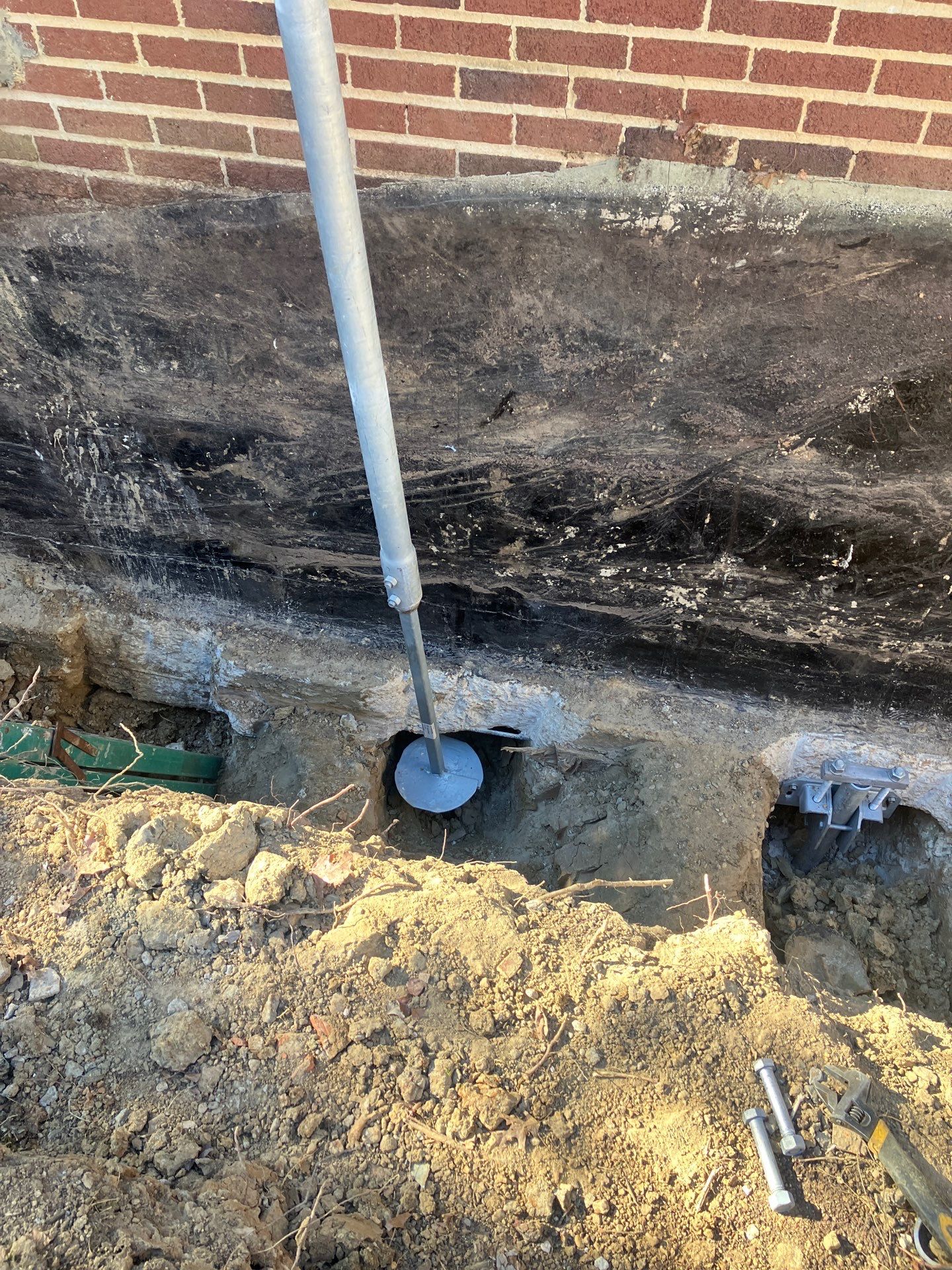
There isn’t one solution that works for every home. The right fix depends on what your house needs.
Interior Waterproofing (Managing the Water)
This is the most common solution. We dig a trench along the inside edge of your basement to catch water before it reaches your floor.
- How it works: We install a perforated drain pipe under the floor, cover it with stone, and link it to a sump pump.
- Why it’s great: It’s less invasive than digging up your yard, and it’s a permanent way to manage seepage through the floor-wall joint.
Exterior Waterproofing (Stopping the Water)
This is considered the best method, but it’s a bigger project. We dig down to the footings outside your house.
- How it works: We clean the walls, repair any cracks, and apply a heavy-duty waterproof membrane. We also replace the exterior footing drains.
- Why it’s effective: It keeps water away from your foundation. If your basement walls are always wet or starting to bow, this is often the best solution.
5 Signs Your Waterproofing is Failing
- Efflorescence: The white, powdery substance on your walls is salt left behind after water moves through the masonry and evaporates.
- Sump Pump Overuse: If your pump runs even during light rain, it’s working too hard. This usually means your exterior drainage isn’t working properly.
- Corner Cracks: New cracks in a basement you thought was “fixed” mean the water pressure is still there.
- Rust on the Bottom of Appliances: Check your water heater or furnace base.
- Peeling Paint: If you see bubbles in the paint, there’s moisture trapped behind it.
A Permanent Solution Needs a System
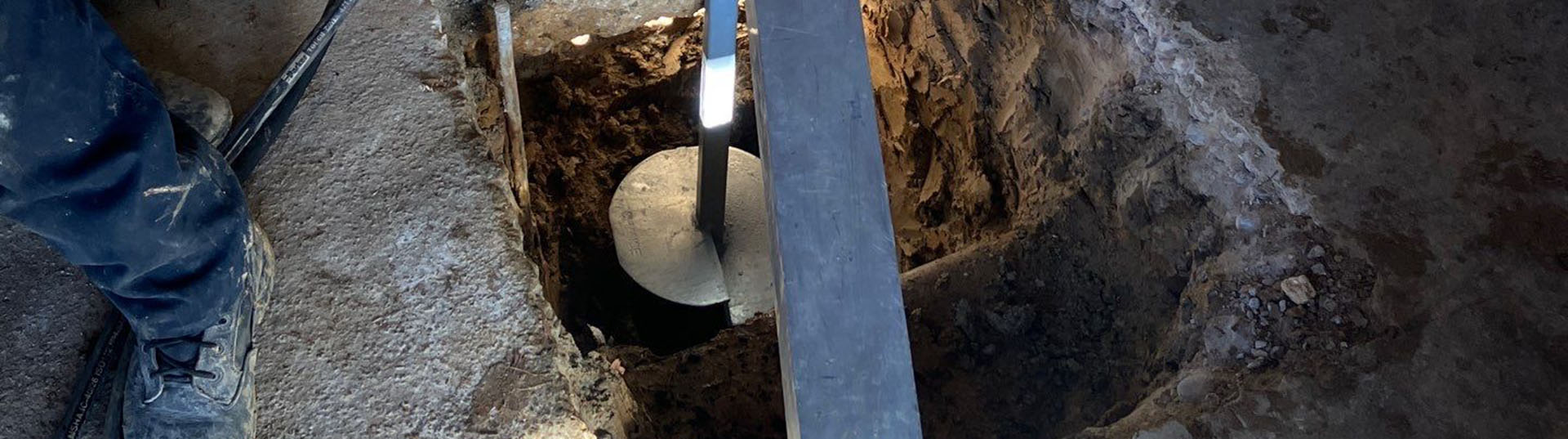
We don’t just sell you a pump. A real fix usually involves a combination of:
- Drainage Correction: Getting those downspouts 10 feet away from the house.
- Structural Reinforcement: If the water has already cracked the walls, we fix the structure first.
- Reliable Tech: Sump pumps with battery backups. The power always goes out during the storms when you need the pump most.
The FAQ
Q: How much does this cost?
A: It varies wildly. A simple interior drain might be a few thousand; a full exterior dig is a significant investment. We give you the “why” behind the price during the inspection.
Q: Is it going to smell while you work?
A: A little bit. We’re moving old dirt and using sealants. But once we’re done and the dehumidifier is running, that “basement smell” will be gone for good.
Q: Do I need an engineer?
A: If your walls are bowing or have horizontal cracks, you do. We can work with an engineer to make sure the waterproofing is safe for your house.
Q: Can I finish my basement after this?
A: That’s the goal. Once we’ve verified the system is bone-dry through a few heavy rains, you can safely put up drywall and carpet without worrying about mold.
Q: My basement only leaks during “hundred-year storms.” Do I really need a full system?
A: Here’s the thing: those “hundred-year storms” seem to happen every couple of years now in the DMV. Even if you only see standing water once a year, the moisture is likely sitting against your foundation walls year-round. That constant pressure weakens the concrete and creates a breeding ground for mold behind your drywall. It’s cheaper to fix it now than to remediate a mold infestation later.
Q: Can’t I just dig a trench in my yard and put in a French drain myself?
A: You can certainly improve your yard’s drainage, and we actually encourage that. But a yard drain won’t stop hydrostatic pressure from pushing water through the “cove joint” (where your wall meets the floor). Most basement leaks result from the water table rising under the house, not just rain running across the grass.
Q: Why does my basement smell musty even though I don’t see any water?
A: Concrete is porous. Think of it like a very hard, very thick sponge. It can be saturated with moisture without actually “dripping.” That musty smell is often water vapor evaporating off the walls and floor. We call it “seepage,” and while it’s not a flood, it’s enough to rot wood framing and ruin carpets.
Q: Will the vibration from the jackhammers crack my upstairs walls?
A: It’s a common concern, but no. We’re working on the basement floor, which is separate from the structural “skeleton” of the house. You’ll definitely hear the noise, and it might rattle some pictures on the wall, but it won’t cause structural damage to your living space.
Q: What happens to the water once the sump pump removes it?
A: Many contractors don’t handle this well. We make sure the water is piped far away from your house, usually to a dry well or a natural slope, so it doesn’t come back into your basement.
Q: If I have a finished basement, do you have to tear everything out?
A: We do our best to minimize the work. Usually, we only remove the bottom 24 inches of drywall and the flooring around the edges. After the system is installed and tested, you can put everything back and you won’t even notice it.
Related Resources
Fix it Once. Fix it Right.
If you’re tired of cleaning up your basement every time it rains, let’s find the real cause.
We send structural specialists, not salespeople, and they know the Alexandria and Fairfax area well.