

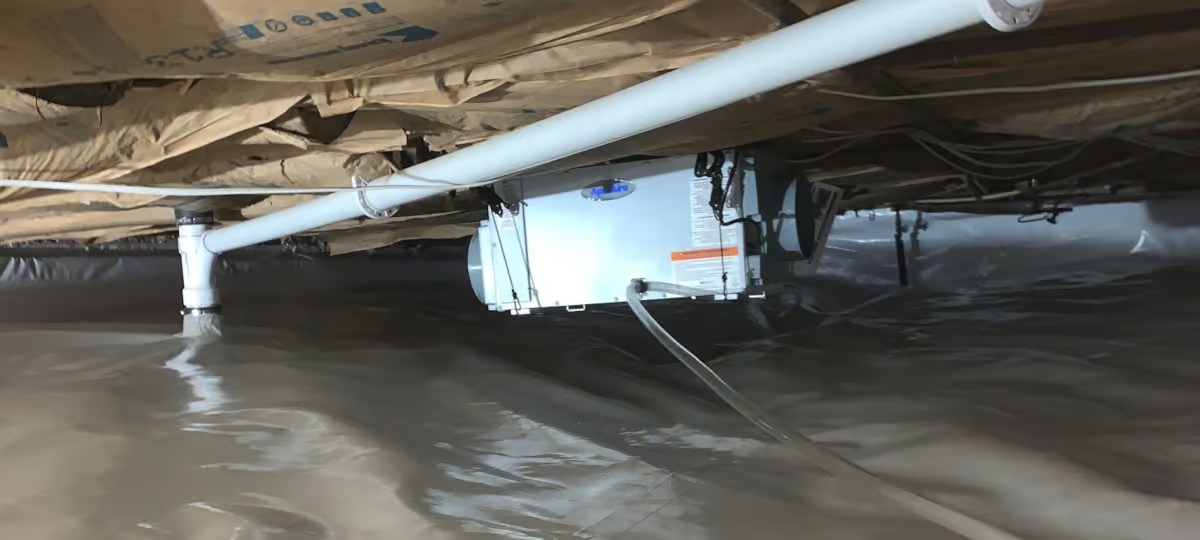
If your floors are freezing in winter or your living room always smells musty, the problem is likely just below your feet.
In Alexandria, Fairfax, and DC, crawl space moisture is more than just an annoyance.
Our area has heavy clay soil that holds water, and the summers are extremely humid.
When this moisture gets trapped under your house, it can lead to mold, wood rot, and sagging floors.
The DMV Moisture Trap
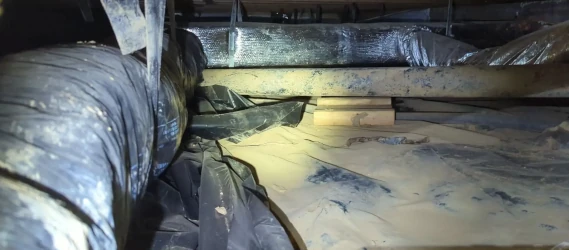
Many older homes in Northern Virginia have vents meant to let the crawl space breathe. In practice, these vents bring in hot, humid air. When this air meets the cooler floor joists, it condenses and drips onto the ground.
Watch for these red flags:
- The Smell: That earthy, musty scent that hits you the second you walk through the front door.
- Sticky Doors: High humidity under the house can cause the subfloor to swell, jamming doors.
- Bouncy Floors: If the floor feels “soft” or “springy,” moisture has likely begun to weaken the wooden support beams.
- Cupping Hardwoods: If your expensive wood floors are starting to curve at the edges, there’s a moisture war happening in your crawl space.
Waterproofing vs. Encapsulation: What’s the Difference?
People often mix these up. They are different solutions, but they can be used together.
Crawl space waterproofing deals with large amounts of water. If you see puddles after storms or have a muddy floor, you need waterproofing. This usually includes:
- Interior perimeter drains (French drains).
- A high-capacity sump pump.
- Redirecting your downspouts so they stop dumping water against the foundation.
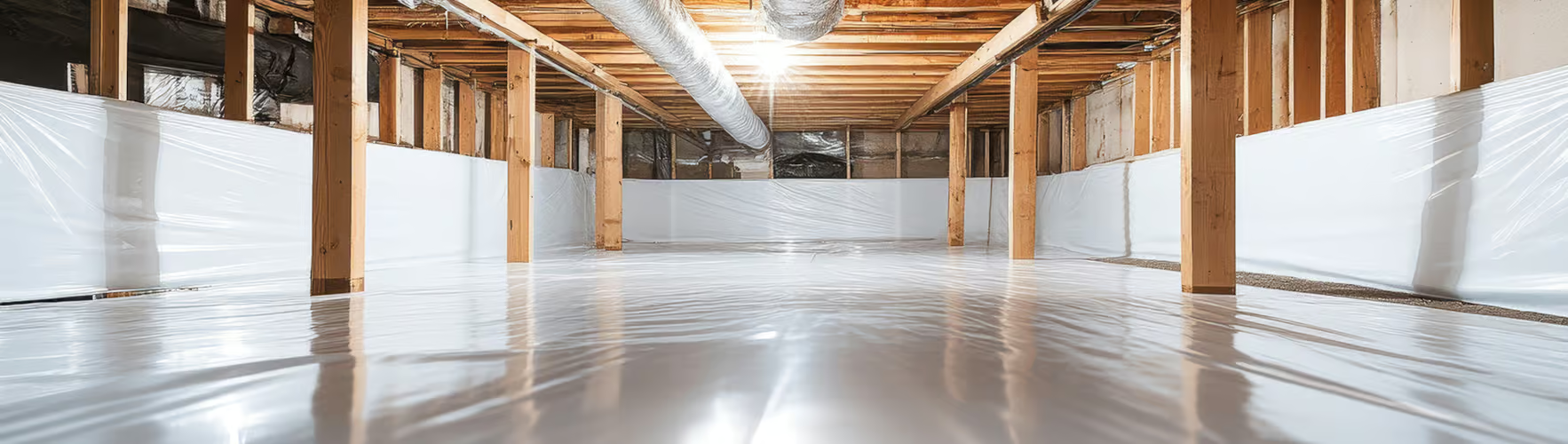
Crawl space encapsulation focuses on controlling humidity. Even if there are no puddles, the air can still be very humid. Encapsulation includes:
- Wrapping the floor and walls in a heavy-duty, 20-mil vapor barrier.
- Sealing the vents to keep the outdoor air out.
- Installing a dedicated dehumidifier to keep the air crisp and dry.
Our Repair Process
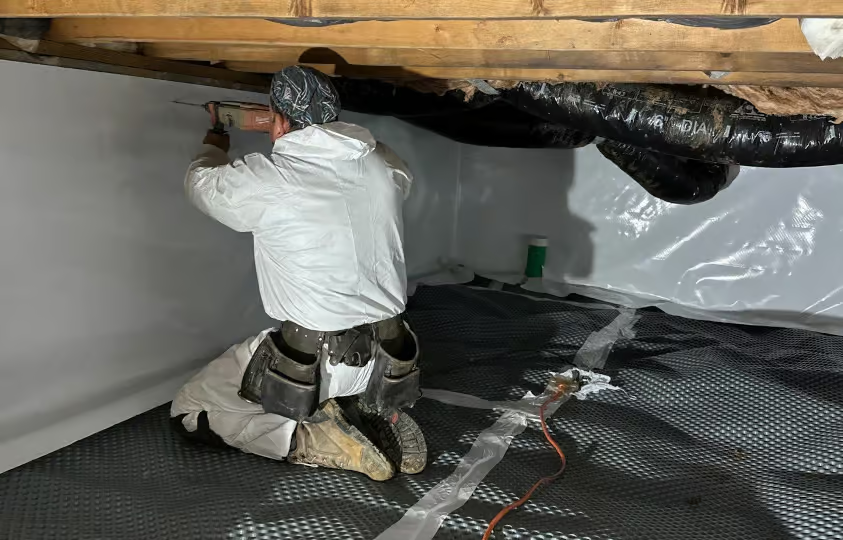
We don’t use generic kits. Instead, we check your yard’s slope, the condition of your wood, and how much water is coming in.
- The Cleanout: We pull out the old, soggy fiberglass insulation and any debris.
- Water Management: If there is standing water, we start by installing a drainage system and a sump pump. It’s important to remove water before sealing the space.
- The Liner: We install a reinforced, antimicrobial vapor barrier. We don’t just lay it down; we seal the seams and anchor it to the walls.
- Structural Hits: If moisture has already rotted your joists, we “sister” the beams or install adjustable steel jacks to level the floors above.
- Climate Control: We seal the vents and install a professional-grade dehumidifier to maintain a steady 45-55% humidity level year-round.
The FAQs
Q: Is encapsulation worth it in Virginia?
A: Yes. It often pays for itself through energy savings and increased property value. Your HVAC system also works less to cool humid air.
Q: Will this help with allergies?
A: About half the air on your first floor comes from the crawl space, a process known as the Stack Effect. If there is mold below, you are breathing it. Drying the crawl space usually improves air quality right away.
Q: How long does it take?
A: Most jobs take 2 to 4 days. You don’t even need to leave the house while we work.
Q: What about mold?
A: If we find mold during the inspection, we’ll let you know. We can handle the remediation before we seal everything up, so you aren’t just “trapping” a problem.
Q: Can I just put down a cheap plastic tarp from the hardware store?
A: You can, but it won’t do much. Thin 6-mil plastic tears easily and isn’t sealed to the walls, so moisture just crawls right around the edges. We use high-grade, 20-mil reinforced liners that are thick enough to crawl on without ripping and are permanently sealed to the foundation.
Q: Will encapsulation attract pests or keep them out?
A: It’s actually a huge deterrent. Termites, silverfish, and spiders love damp, dark dirt. By sealing the vents and drying out the space, you’re removing the “oasis” they’re looking for. Plus, the bright white liner makes it much easier to spot any activity during a termite inspection.
Q: My crawl space is already “dry”. Do I still need a dehumidifier?
A: “Dry” is relative. In the DMV, even if there aren’t puddles, the air humidity can be high enough to cause wood rot (anything over 60%). A dehumidifier is the only way to ensure the humidity stays at a safe level, regardless of how much it rains outside.
Q: Does my HVAC system need to be moved for this?
A: Usually not. We work around your current ductwork and units. Sealing the crawl space also helps protect your HVAC equipment from rust and corrosion, which can extend its life.
Q: What if a pipe leaks after everything is sealed?
A: We install smart sump pumps and floor sensors that alert you if water is found on the liner. The liner is durable, so a plumber can still access the area, fix the leak, and dry the surface without having to redo the whole system.
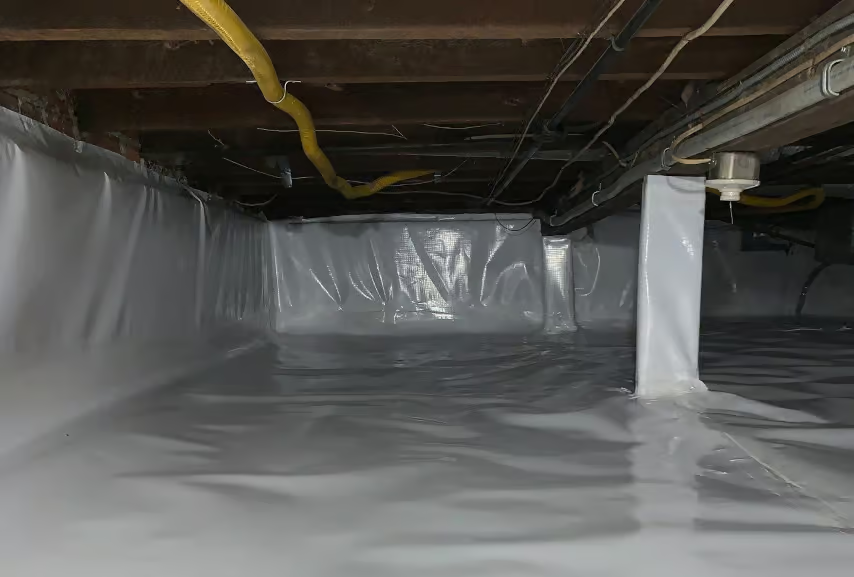
Stop the Rot Before It Starts
A damp crawl space can quickly damage your foundation. Whether you need a basic vapor barrier or a full drainage system, we will give you an honest assessment.
You will work directly with structural experts, not salespeople.